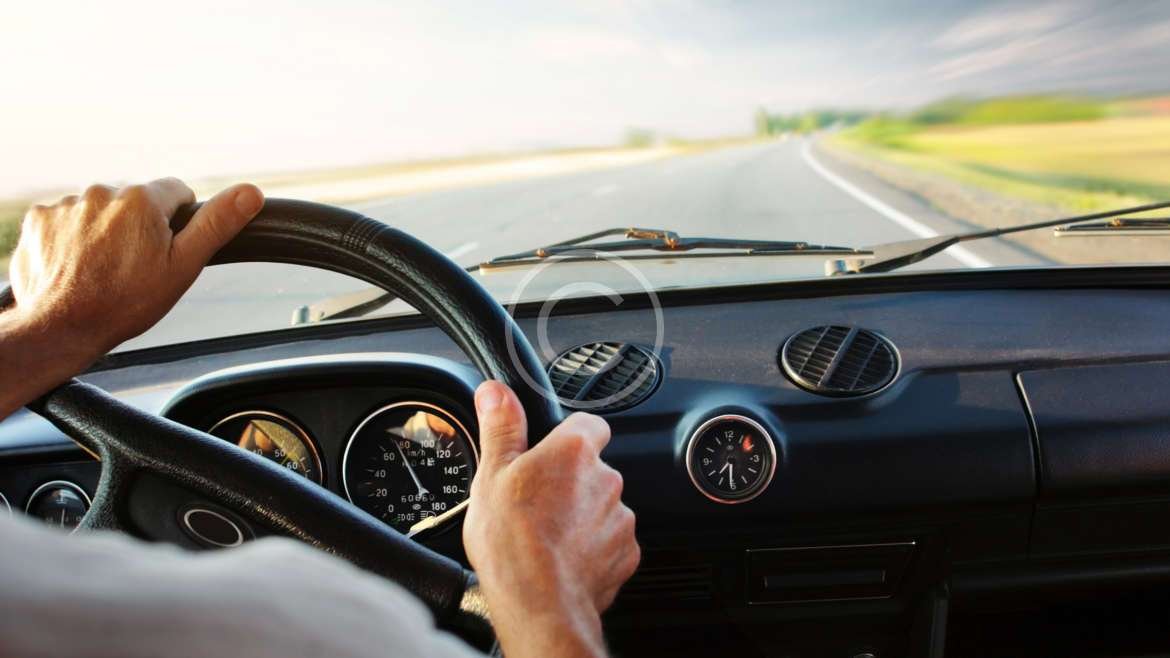
Driving safely from A to B requires planning.
Key Daily Check Areas.
Fuel insure you have sufficient fuel to carry out your journey or think about where you are going to stop for Fuel
Lights & Indicators: Check for cracked lenses and ensure all bulbs work.
Tyres: Inspect for at least 1mm tread depth (for HGV/commercial), correct pressure, and damage (bulges/cuts)
- Mirrors & Windows: Ensure all mirrors are secure, clean, and unbroken.
- Fluid Levels: Check oil, water, and windscreen washer levels.
- Bodywork & Security: Inspect for damage, secure doors, and functioning locks.
- Inside the Cab: Test wipers/washers, horn, and dashboard warning lights.
- Brakes: Ensure the handbrake holds and the footbrake feels responsive.
- Common Defects to Report
- Damaged seatbelts: Ensure they are not frayed and lock properly.
- Excessive smoke: Check for example, excessive exhaust smoke.
- Broken components: Ensure mirrors, wipers, and lights are in working order.
- Leaking fluids: Look underneath for oil, fuel, or water.
Any other tips or trends?
Think about your own well being and that of your passengers.
Clothing; Make sure you have warm clothing in the car or a blanket if the heater stops working, also consider high visibility jackets
Food and Drink; If you are going some distance, think about having drink and food in the car for energy or if you breakdown.
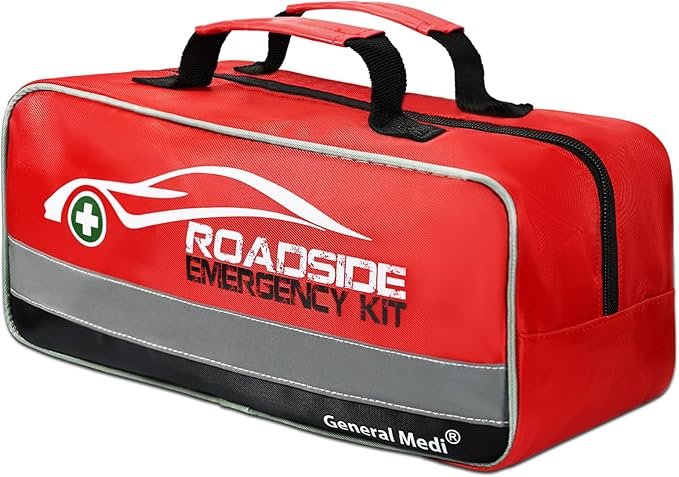
Emergency kit; Plan for the worst but hope for the best. Car emergency kits can be purchased at most online automotive stores or on the high street